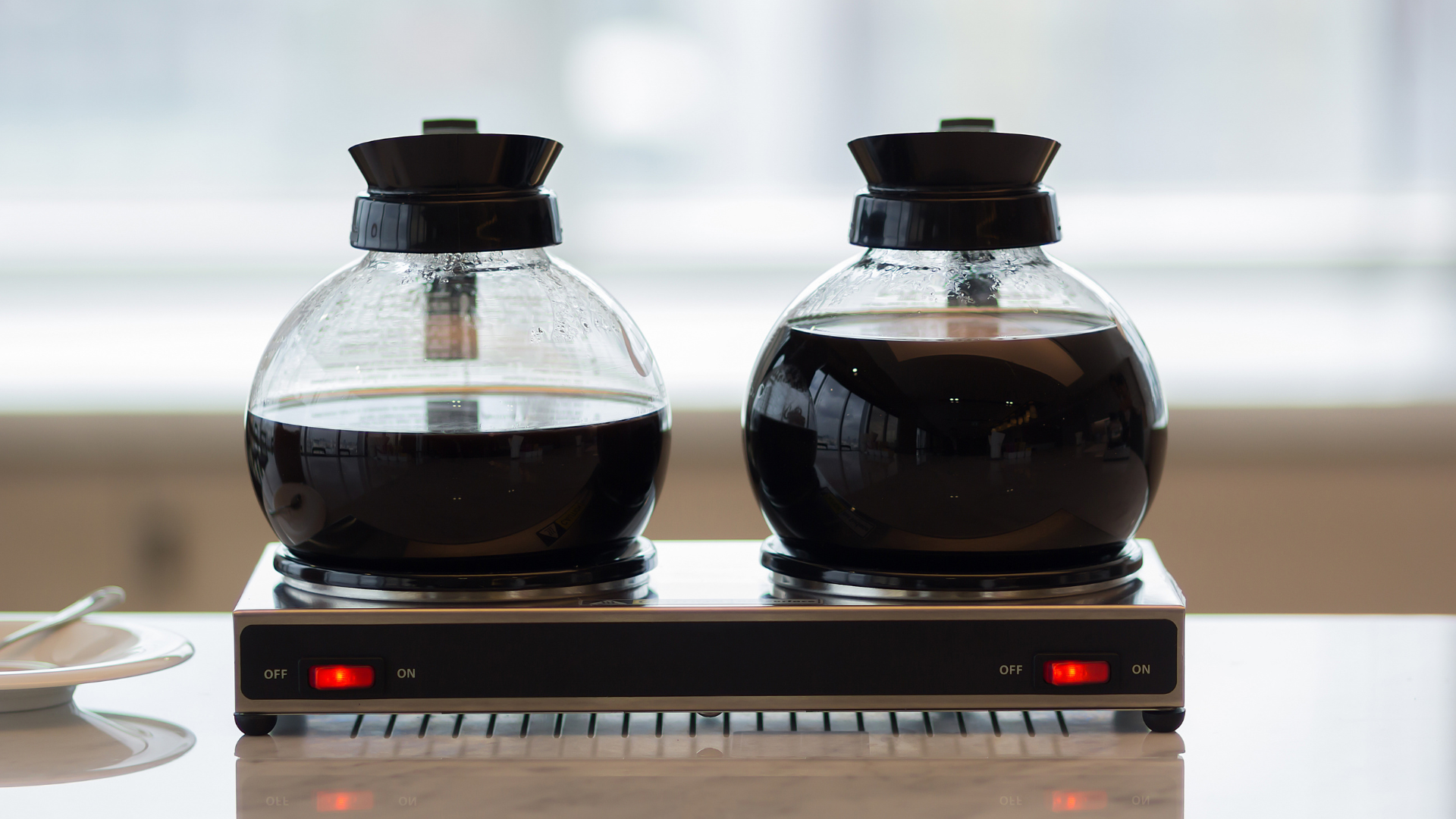
Scientific evidence clearly requires the California State Assembly to reject activists' baseless efforts to ban the most common type of decaffeinated coffee (European Method decaf). The National Coffee Association (NCA) plans to testify in the California State Assembly Committee on Health.
NCA President and CEO William Murray said he would detail the robust body of scientific evidence establishing the safety of European Method decaf and call on legislators to reject California Assembly Bill 2066 and protect Californians' access to a safe product proven to be associated with significant health benefits.
"The activists sponsoring this bill have not presented any evidence to justify banning the most common type of decaf, because none exists," said Murray.
"In fact, decades of independent scientific evidence demonstrate that drinking European Method decaf, like all coffee, is associated with reduced risk of multiple cancers and chronic diseases. The World Health Organisation, the American Cancer Society, the American Institute for Cancer Research, the World Cancer Research Fund, and California's own Office of Environmental Health Hazard Assessment agree."
NCA has also detailed the evidence establishing the safety of European Method decaf in comments to the U.S. Food and Drug Administration (FDA), opposing a separate but related activist petition seeking a federal decaf ban.
Under U.S. food safety regulations, minute traces of a chemical used in the European Method (methylene chloride) are authorised as safe up to 10 parts per million (the equivalent of 10 drops of water in 10 gallons). FDA has said this level presents "essentially non-existent"1 risk. EDF's petition admits that in 17 coffee samples tested by CLP (the test results have not been independently verified), methylene chloride traces remained from 10 percent to 99.5 percent or more below FDA's safe level.
Other decaffeination methods are much less widely available and more expensive than European Method decaf.
To read more international news, click here.