According to research company, Straits Research, the global commercial lighting market size was valued at USD 11.46 million as of 2022. It is projected to reach USD 64.67 billion by 2031, growing at a CAGR of 5.80 percent during the forecast period (2023-2031).
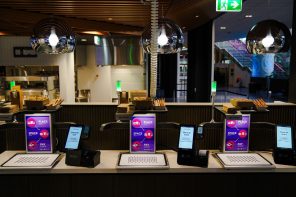
Depending on its intended use, commercial lighting can be tailored to meet every facility and its activities. When buying business lighting, it's important to consider maintenance needs, brightness levels, and warranties. A commercial building can accommodate many people for various purposes, such as shopping, employment, entertainment, and medical exams. To guarantee that workers are comfortable, the lux level standards and the energy efficiency criteria are met, a lighting design business develops designs that reflect the facility's activity.
Asia-Pacific is the most significant revenue contributor and is expected to grow at a CAGR of 6.35 percent during the forecast period. Lighting supplies are essential for industry, daily life, and infrastructure. With China's economy and improving living standards, the mainland's need for lighting is expanding. Due to the lighting industry's explosive growth over the past 20 years, China has become the world's largest producer and consumer of lighting. Organic light-emitting diodes, compact fluorescent lamps, electrodeless discharge lamps, and light-emitting diodes (LEDs) are all noteworthy items (OLEDs).
North America is expected to boost at a CAGR of 4.75 percent during the forecast period. The usage of LED lighting in business settings has also expanded drastically across North America. For the commercial market, superior lumen coverage increases durability, and the appropriate power source is needed. LED unquestionably satisfies these requirements. It is, therefore, preferred over other light technologies already in use. It uses less energy, has more than 100,000 lumens, covers a more extensive area, and is reasonably cheap to buy and run long-term. The increased demand for energy-efficient lighting systems, addressed by declining pricing for LED products and stringent government regulations, is one of the key drivers influencing the adoption of LED lighting in the United States. LEDs have seen significant technological and economic progress as a new source of illumination in the country, stimulating investment in the sector.
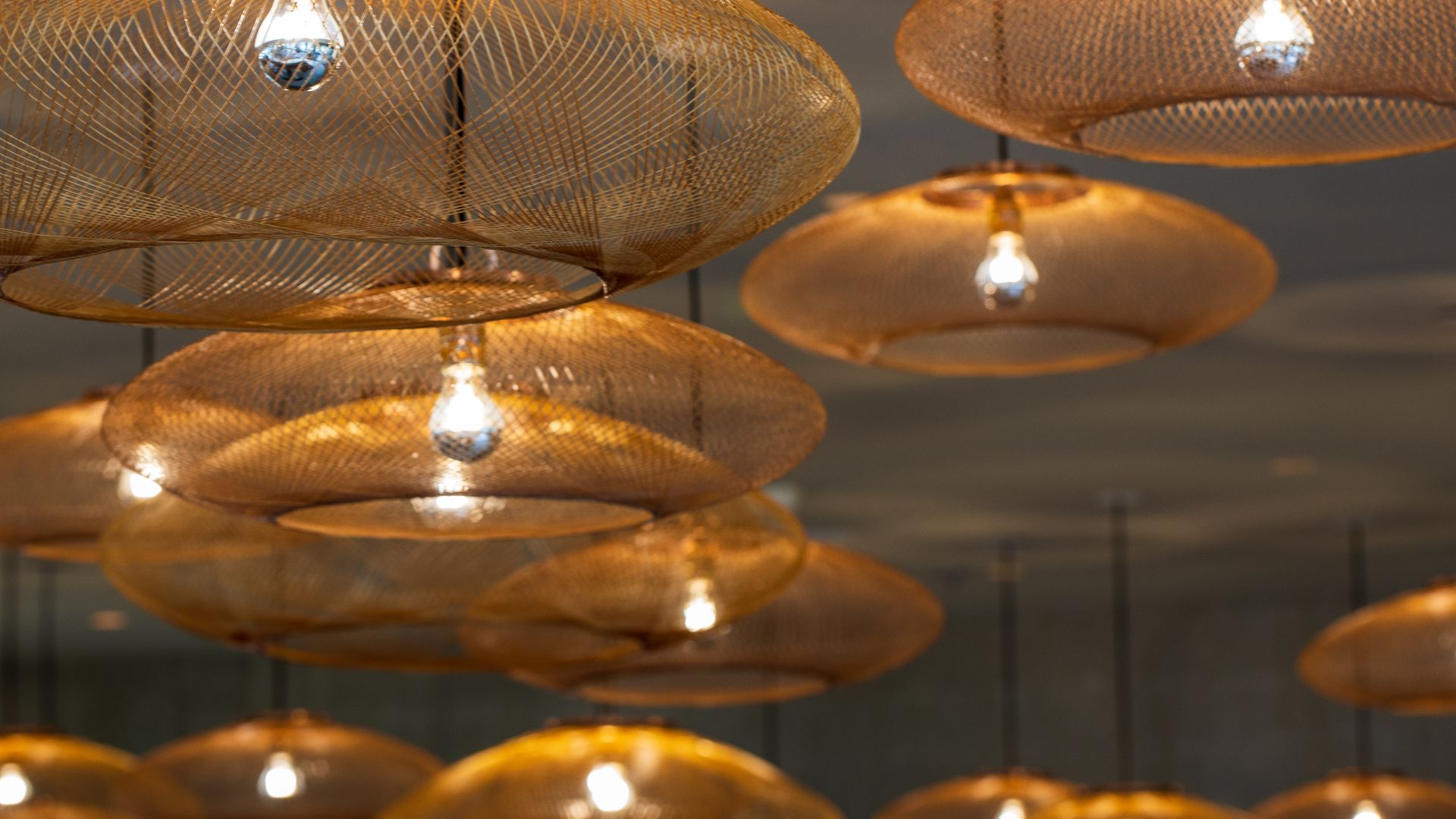
LEDs last longer, are more trustworthy and are more effective. Their use is, therefore, predicted to increase in both indoor and outdoor environments. Compared to incandescent bulbs, these lights use less energy and provide lighting for around 50,000 hours. They are also an excellent replacement for incandescent lights due to low maintenance costs and little heat loss. The transition from conventional to green lighting, as well as product demand, have all been enhanced by technology improvements. While producing light that is at least as good as standard lighting technologies, high-efficiency lighting systems can consume up to 85 percent less energy.
To read more industry news, click here.