NZABC has responded to comments made by Inspector Ian Paulin on the subject of alcohol harm prevention and the role of off-licence alcohol.
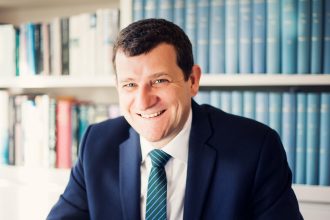
NZ Police alcohol harm prevention officer Inspector Ian Paulin, was a speaker at the Hospitality NZ conference this week. He spoke about the role of ‘off-licence’ sales in contributing to alcohol harm and the need for a targeted alcohol strategy.
“The Inspector spoke about alcohol harm in the home but did not provide any evidence to support his statements,” said NZ Alcohol Beverages Council Executive Director Virginia Nicholls.
“The NZABC would argue that the areas that the Inspector is advocating for change are not the key drivers of behaviour change,” said Nicholls.
The Inspector shared the NZ Police alcohol harm prevention action plan 2025. Here are the four strategies that related to the beer, wine and spirits industry followed by feedback from NZABC.
- Hours: reduce off licence hours from between 9am – 9pm (now 7am – 11pm) and on-licence hours from 8am – 2am (now 8am to 4am).
NZABC: There is no evidence to suggest that reducing opening hours is going to reduce alcohol harm. All this does is to inconvenience customers who want to shop when it suits them and will unnecessarily impact businesses.
“Customers shopping before 9am won’t be able to pick up a bottle of wine or beer at the same time and this will cause frustration for people. What’s more we are not aware of any evidence this change will reduce alcohol harm”, said Nicholls.
"Instead of just cutting store hours or closing locations, the real focus should be on what actually makes a difference—having great operators who are backed by solid policies and strong ties to the community”, said Nicholls.
- Single sales: no single serve sales to be less than $6 (amount to be revised for inflation at renewal).
NZABC: The Inspector is advocating for a minimum unit pricing (MUP) in this case no single beer, wine or spirits will be able to be sold for less than $6. All this does is to increase the price for consumers.
Earlier this year the Australia Northern Territory Parliament has voted to abolish the territory’s controversial MUP as the floor price did not appear to have any major effect.
The previous Northern Territory Government’s own review of the MUP noted that a reduction in alcohol-related harms was attributable to other policy measures introduced at the same time as the floor price, such as the introduction of Police Auxiliary Liquor Inspectors.
- Remote sales: anyone facilitating the sale of alcohol to be licensed. Licensees to be liable for third party deliverers. Prohibit the rapid delivery of alcohol.
NZABC support a strengthening of the rules for alcohol home delivery. We support the same licensing requirements that apply to alcohol sale and supply in-store should apply to online purchase and delivery.
- Density: prevent increasing the density of off licence premises, particularly in areas of high deprivation index scores and within Maori communities. Prevent off licences from existing near sensitive sites such as schools and marae.
NZABC: There is a misconception that deprived areas are over-represented by licensed premises and, by implication, are drinking far more than elsewhere which is misleading.
In March 2024 for the first time the University of Auckland published their wastewater analysis of alcohol consumption and found that the highest consumption recorded was in Queenstown and South Aucklanders drank the least of any place studied.
Preventing off licences from existing near ‘sensitive sites’ would mean that any alcohol retail store that may have been operating responsibly in a location for decades will be forced to close because a ‘sensitive site’ decides to locate close by.
Since 2010 the number of on and off-licences nationwide have declined by more than 13 percent.
“The vast majority of licensees both on and off premise are very responsible and we should be focused on targeting those who are not, instead of spending time and money concentrating on small pedantic changes to license conditions”, said Nicholls.
It was disappointing when the Inspector did not acknowledge that in New Zealand we are drinking less and drinking better with the move to moderation as part of a balanced lifestyle.
The annual NZ Health survey provides information on New Zealander’s health and wellbeing shows that 83.4 percent of NZ adults (five out of six of us) are drinking beer, wine and spirits responsibly. This is an increase of 4.7 percentage points over the past four years (78.7 percent 2019/20).
Hazardous drinking or harmful alcohol consumption among adults over the past four years has declined to 16.6 percent (21.3 percent 2019/20).
Fewer under-18s are drinking alcohol and those who do are drinking less hazardously.
The Stats NZ alcohol consumption per capita has also declined by 28.3 percent since 1986.
We need to do everything we can to increase responsible drinkers, reduce hazardous drinkers and support responsible licence-holders to stay in business.
More news here.